A bridge between crisis and stability.
KALMA Foundation helps adult survivors of domestic violence move from immediate safety toward stable housing, financial recovery, and independent living through survivor-centered navigation, community partnerships, and carefully developed stabilization support.

Safety, stability, and survivor-centered support.
KALMA Foundation helps adult survivors of domestic violence move from immediate safety toward stable housing, financial recovery, and independent living through survivor-centered navigation, community partnerships, and carefully developed stabilization support.
First-year focus.
KALMA is building a trauma-informed, survivor-centered organization grounded in safety, dignity, confidentiality, and survivor choice.
Our first-year work focuses on:
- Listening to survivors and community partners.
- Understanding post-crisis housing and stabilization barriers.
- Building relationships with domestic-violence, housing, legal, behavioral-health, workforce, benefits, and family-support organizations.
- Creating safe referral and consent processes.
- Preparing a measurable, sustainable housing-stability pilot.
As KALMA grows, services will be added only when the organization has the appropriate funding, staffing, training, partnerships, insurance, policies, and board oversight.
What KALMA is building.
KALMA is developing the Safe Stability Pathway for adult survivors of domestic violence.
The future pathway may include:
- Housing navigation.
- Referrals to qualified domestic-violence, legal, behavioral-health, workforce, benefits, and family-support providers.
- Help identifying practical post-crisis barriers.
- Connections to transportation and employment resources.
- Limited stabilization assistance when funding, eligibility, and capacity permit.
- Follow-up after referrals or housing transitions.
- Community partnerships that strengthen long-term stability.
During the first 12 months, KALMA is prioritizing partnership development, community listening, safety policies, board governance, funding readiness, and pilot design.
What KALMA does not currently do.
KALMA is not currently a 24-hour crisis line, emergency shelter, law-enforcement agency, medical provider, clinical counseling organization, legal-services provider, or guaranteed housing program.
KALMA does not currently promise:
- A place to stay.
- Emergency shelter.
- Hotel vouchers.
- Rental assistance.
- Legal representation.
- Medical treatment.
- Clinical counseling.
- Guaranteed housing placement.
- Guaranteed employment.
- Long-term case management.
KALMA will expand services only when the organization has the necessary funding, staffing, training, partnerships, insurance, policies, and board approval.
Geographic focus.
KALMA is developing a primary focus on adult survivors of domestic violence in Prince William County, Manassas, Dumfries, and Manassas Park.
KALMA may also coordinate with qualified community partners when people are experiencing housing insecurity or other crisis-related barriers.
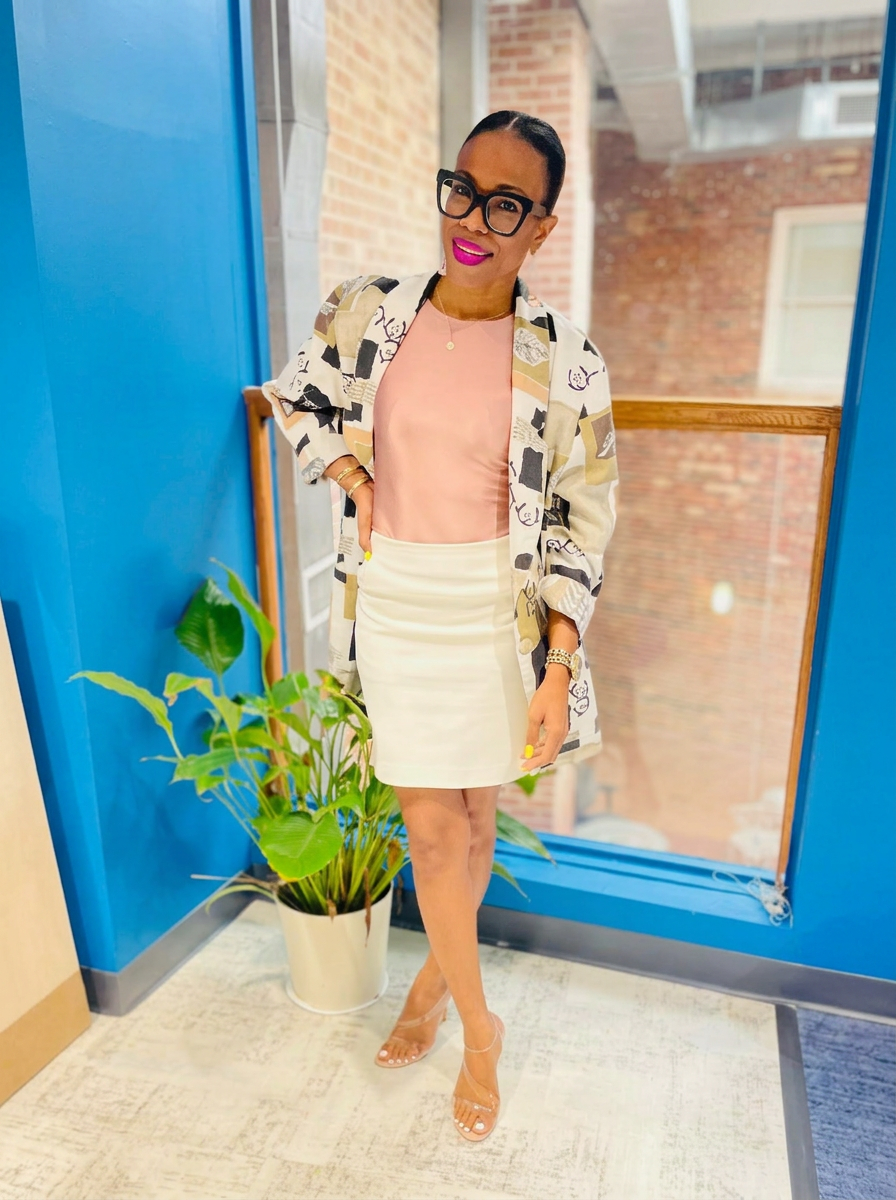
Katherine Aarndel
Katherine Aarndel is the Founder of KALMA Foundation, Inc., which helps adult survivors of domestic violence move from immediate safety toward stable housing, financial recovery, and independent living.
With more than 20 years of experience in Human Services and meaningful community engagement across Northern Virginia and Washington, D.C., Katherine brings a strong understanding of the barriers individuals and families may face when rebuilding after abuse, instability, or crisis.
Her vision for KALMA is to develop a trusted, trauma-informed organization that connects survivors to practical support, community resources, housing pathways, financial-recovery opportunities, and partnerships that strengthen long-term stability.
During KALMA's first year, Katherine is leading the organization through a deliberate readiness phase: building the board, developing policies and safeguards, listening to community partners, identifying unmet post-crisis needs, and preparing a sustainable pilot for future implementation.
Katherine's leadership is grounded in faith, human dignity, equity, survivor choice, and the belief that every person deserves the opportunity to keep a life moving ahead.
The commitments guiding our work.
We prioritize physical, emotional, digital, and housing safety.
We treat every person as the decision-maker in their own life, not as a case number.
We protect personal information and share it only with appropriate consent or when legally required.
We provide information and options without making decisions for the person we serve.
We work with qualified providers rather than duplicating services or promising what we cannot deliver.
We use clear policies, responsible financial controls, measurable outcomes, and board oversight.
We believe people can rebuild, and we support the goals they choose for themselves.
Faith as the quiet foundation.
KALMA is built on the belief that every person is created with inherent worth and is loved beyond measure. Our work is grounded in faith, not as a requirement, but as the well we draw from. It shapes the patience of our care and the hope we hold for every person we walk alongside.
People of any faith, or no faith, are welcomed with the same dignity and the same love. No one is ever asked to believe to belong.
"He heals the brokenhearted and binds up their wounds."
Join our partner network.
KALMA is building relationships with housing, domestic-violence, legal, behavioral-health, workforce, benefits, and family-support organizations. If your organization serves survivors in Prince William County, Manassas, Dumfries, or Manassas Park, we would love to explore how we can work together.
Partnerships help us keep our resource network current, avoid duplicating services, and ensure survivors receive qualified, timely support.
Support KALMA's first-year readiness work.
Your support helps KALMA develop policies, build partnerships, verify local resources, and prepare a sustainable housing-stability pilot.
You can make a donation, become a sponsor, volunteer, donate goods, or introduce KALMA to qualified funders and community organizations.
If you are in immediate danger.
KALMA is not an emergency-response agency. If you or someone you know is in immediate danger, call 911.
Call 1-800-838-8238, text 804-793-9999, or use the confidential chat.
Call 1-800-799-7233 or visit thehotline.org.
Common questions.
What does KALMA stand for?+
Who does KALMA serve?+
KALMA is developing a primary focus on adult survivors of domestic violence in Prince William County, the City of Manassas, the Town of Dumfries, and the City of Manassas Park.
KALMA will work with qualified local organizations to connect survivors with crisis services, emergency shelter, housing resources, legal support, behavioral-health services, workforce programs, benefits, transportation, and family-support resources.
Is KALMA currently operating a shelter?+
No. KALMA will not operate an emergency or transitional shelter.
KALMA is designed to work in partnership with established domestic-violence, housing, crisis-response, and community organizations. Through these partnerships, KALMA will help connect survivors to qualified providers and address practical barriers that may remain after immediate crisis intervention.
KALMA's future work may include housing navigation, referral coordination, limited stabilization support, financial-recovery connections, transportation resources, and other services that complement, not duplicate, the work of local organizations.
KALMA is currently focused on building trusted partnerships, developing appropriate safeguards, understanding post-crisis needs, and preparing a sustainable housing-stability model.
How will KALMA help if it does not operate a shelter?+
KALMA will serve as a community partner and stabilization resource. Depending on available funding, capacity, and partnerships, KALMA may help survivors:
- Navigate available housing and community resources.
- Connect with qualified domestic-violence and crisis-service providers.
- Address transportation, documentation, employment, benefits, and financial-recovery barriers.
- Prepare for housing applications or transitions.
- Access limited, approved stabilization support.
- Receive warm referrals rather than being directed from one organization to another without coordination.
- Connect with ongoing support after immediate crisis services.
KALMA will clearly explain what it can and cannot provide before accepting a request or making a referral.
Does KALMA replace local shelters or service organizations?+
No. KALMA will not replace or compete with local shelters, crisis providers, domestic-violence programs, legal-aid organizations, behavioral-health providers, housing agencies, workforce programs, or public-service departments.
KALMA's purpose is to strengthen the network by developing complementary partnerships and helping address practical post-crisis barriers that may remain after a survivor connects with immediate support.
What is KALMA building?+
KALMA is building a partnership-centered Safe Stability Pathway for survivors moving from immediate safety toward long-term stability.
The pathway may connect survivors to:
- Domestic-violence crisis services.
- Emergency and transitional housing operated by qualified organizations.
- Housing navigation and landlord resources.
- Legal and advocacy services.
- Behavioral-health and medical services.
- Employment, education, and workforce programs.
- Benefits and financial-empowerment resources.
- Transportation and family-support services.
KALMA will expand its role carefully and will not provide services unless the organization has the appropriate partnerships, funding, staffing, policies, training, insurance, and board oversight.
Can KALMA provide emergency help?+
KALMA is not an emergency-response agency. If you are in immediate danger, call 911.
For confidential domestic-violence support in Virginia, call 1-800-838-8238, text 804-793-9999, or use the statewide confidential chat.
Is KALMA faith-based?+
Is information shared with KALMA confidential?+
How can I support KALMA?+
You can support KALMA by:
- Making a donation.
- Becoming a community or business partner.
- Offering professional services or in-kind support.
- Helping verify local resources.
- Joining the advisory or volunteer network.
- Introducing KALMA to qualified funders and community organizations.